
Tradition and Automation Side-by-Side? Sure!
A common concern about automation is the loss of tradition, such as heritage railways. Common statements are “With ETCS, we can no longer run our steam trains.” However, it's not a choice between either tradition or modern systems. They can coexist side by side.
ETCS on Steam Engines
Heritage railways pose a special challenge to modernization. We aim to preserve the engines and carriages in their historical state as much as possible, while also ensuring they can operate throughout the entire network. One might argue that engines fitted with train protection systems, such as the German PZB, exist. However, these are a much simpler point-based application than ETCS, especially at Level 2.
In [1], the author analyzed multiple older locomotives, single-unit railcars, and road-rail vehicles. In most cases, the space for the ETCS components is available.
Overview of the Evaluation of Installation Space Reserves in the Examined Vehicles Compared to Component Sizes [1]
| Vehicle Class | Series | BTM | Odometry | Computer Cabinet | DMI | GSM-R |
|---|---|---|---|---|---|---|
| Locomotives | BR 140 | ✓ᵃ | ✓ᵃ | ✓ᵇ | ✓ᵃ | N/A |
| BR 145 | ✓ᵃ | ✓ᵃ | ● | ✓ | N/A | |
| BR 155 | ✓ᵃ | ✓ᵃ | ✓ | ✓ | N/A | |
| BR 218 | ✓ᵃ | ✓ᵃ | ✓ | ✓ | N/A | |
| V100 East | ✓ᵃ | ✓ᵃ | ✓ᵃ | ✓ᵃ | N/A | |
| V60 East | ✓ | ✓ | ✗ | ✓ | N/A | |
| A602 | ✓ᶜ | ✓ᶜ | ✓ᶜ | N/A | ✓ᶜ | |
| Historic Vehicles | E 77 | N/A | N/A | ✓ | ● | N/A |
| BR 118 | ● | ✓ | ✓ | ✓ | N/A | |
| V23 East | ✗ | ✗ | ✗ | ✓ᵃ | N/A | |
| BR 01 | ✓ᵈ | ✓ᵈ | ✓ᵃ | ✓ | N/A | |
| BR 35 | ✓ᵈ | ✓ᵈ | ● | ✓ | ✓ᵇ | |
| BR 52 | ✓ᵃᵈ | ✓ᵃᵈ | ✓ | ✓ | N/A | |
| Railway Service Vehicles | BR 708.3 | ✓ | ✓ | ✓ᵃ | ✓ | ✓ᵇ |
| BR 711.0 | ✓ | ✓ | ✓ | ✓ | N/A | |
| BR 711.2 | ✓ | ✓ | ✓ | ✓ | ✓ᵇ | |
| BR 716 | ✓ᵃ | ✓ᵃ | ✓ᵃ | ✓ᵃ | N/A | |
| Road-Rail Vehicles | Weed Control | ✗ | ✓ | ● | ✓ | N/A |
| Track Surveying | ✗ | ✓ | ✓ | ● | N/A | |
| Crane Vehicle | ✗ | ✓ | ● | ● | N/A |
Legend:
- ✓: The largest or five of the examined components fit in the installation space
- ●: Fewer than five of the examined components fit in the installation space or the component can only be installed with restrictions
- ✗: The component cannot be installed in this vehicle
Notes:
- ᵃ Apparent assessment of sufficient installation space reserve
- ᵇ According to information from vehicle owner or workshop personnel
- ᶜ According to vehicle data and drawings of vehicle dimensions
- ᵈ Heat protection necessary
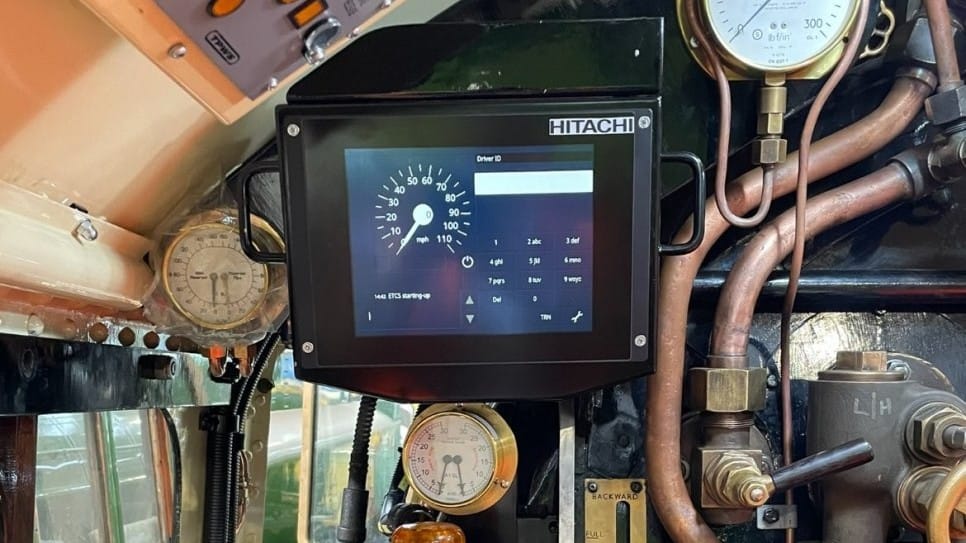
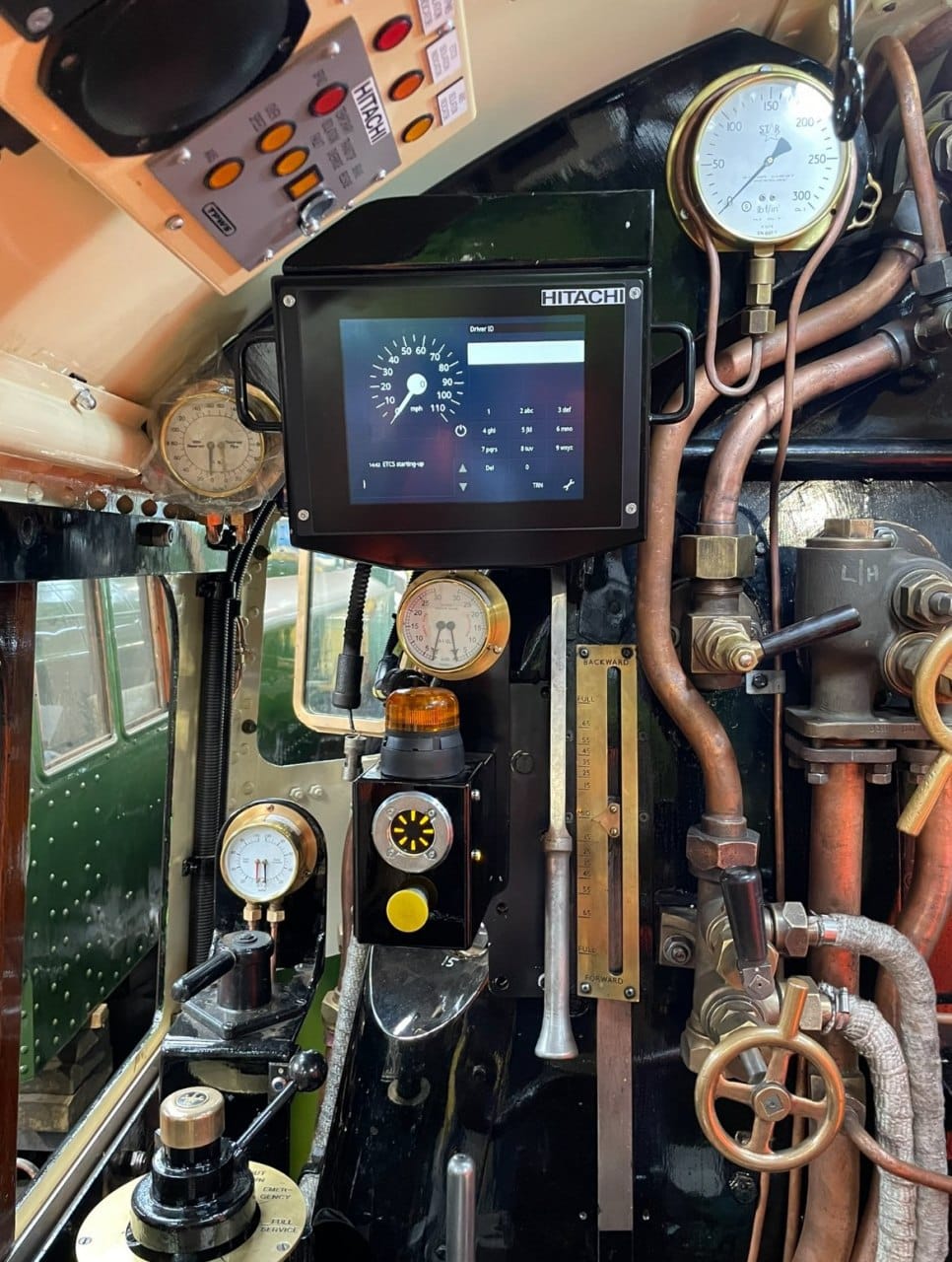
Shortly after this work was published, a British heritage railway showed the integration of ETCS in an LNER A1 Pacific Tornado steam engine. The standard touch user interface was extended with physical buttons for handling by engineers wearing gloves.
Digital Interlocking with a Narrow Gauge Heritage Railway
What many won’t know: One of the first practical trials of Eulynx-compatible hardware was done in Jöhstadt. Jöhstadt is a small town located in southern Saxony, Germany. There, a 750 mm heritage railway runs on weekends and on special occasions. “Why Jöhstadt?” you might ask. Jöhstadt hosted the Digital Rail Summer School for many years, and one task for our students was to implement a minimal interlocking according to Eulynx specifications. The students implemented three blocks, separated by light signals. Axle counters did train positioning.
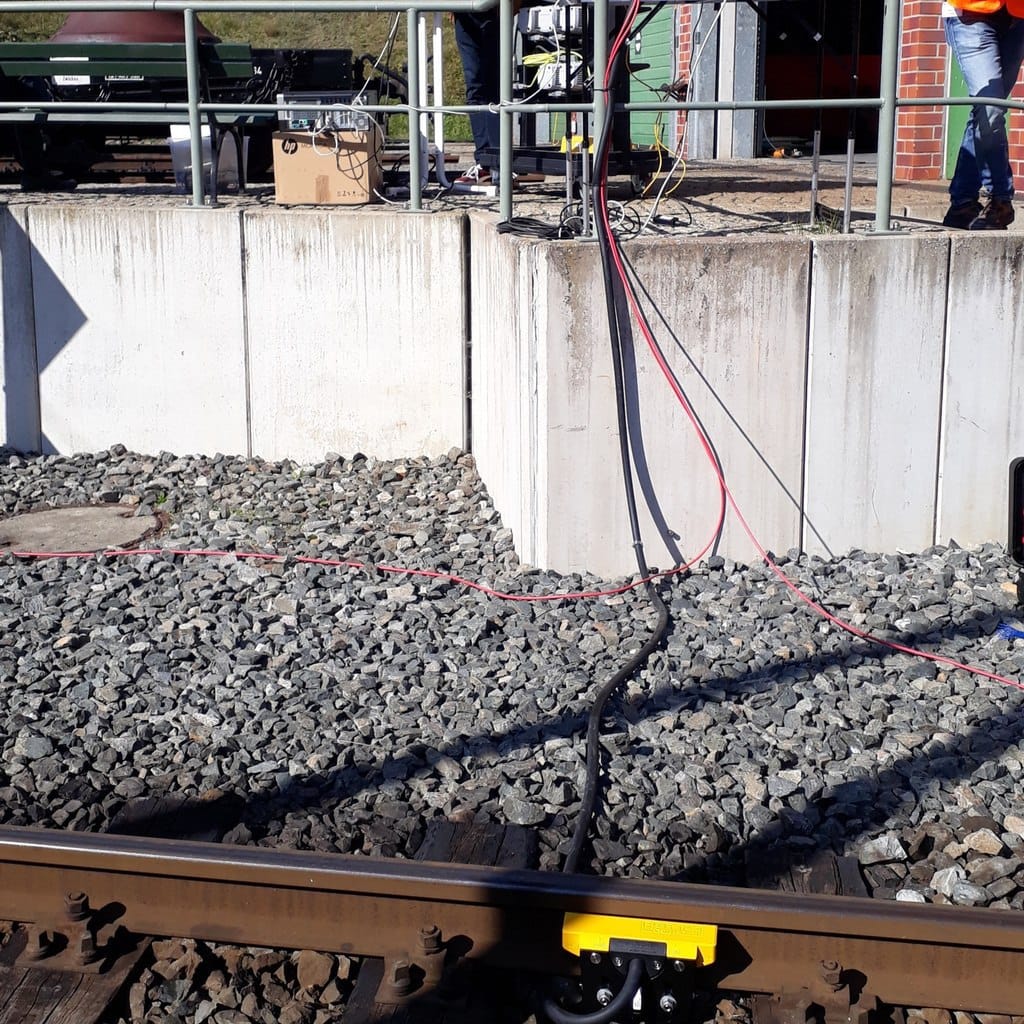
The student implementation worked almost flawlessly; only the communication to the central interlocking server, which was done with mobile data, caused some delays because Jöhstadt is at the edge of Germany and the local mobile network was oversaturated by the high number of visitors for the spectacle of a heritage narrow-gauge diesel engine triggering Eulynx axle counters and driving by modern signaling.
Sources:
[1] Blanca Roßberg, Untersuchungen zur ETCS-Aufrüstung von Schienenfahrzeugen für Nebenstrecken unter Bauraumaspekten, Forschungsarbeit, TU Dresden, 02. November 2023